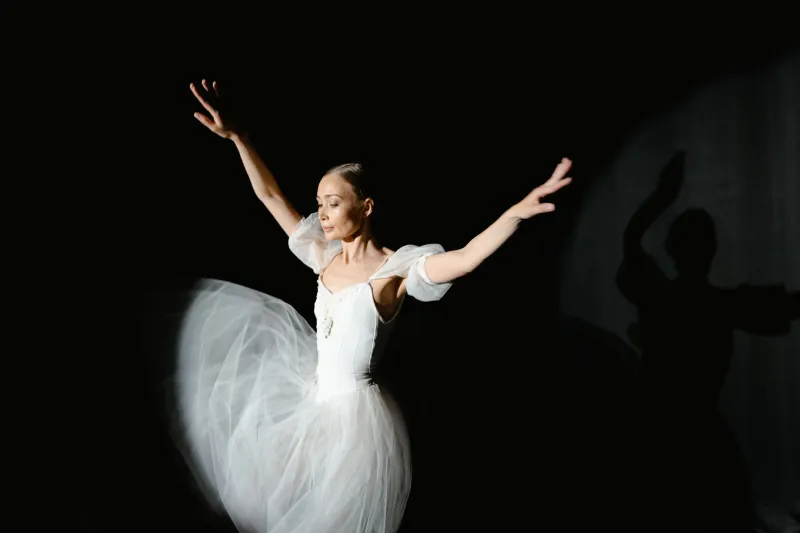
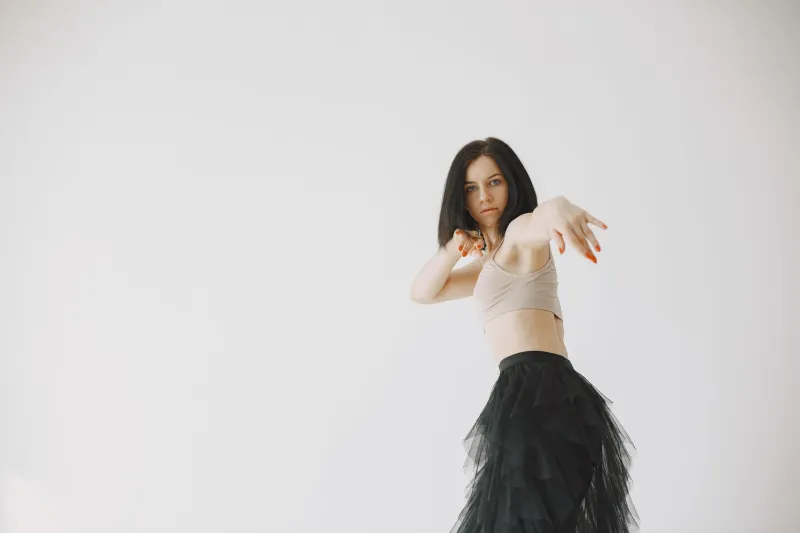
Barefoot in the Kitchen: The Quiet Revolution of Dancing Where Nobody's Watching
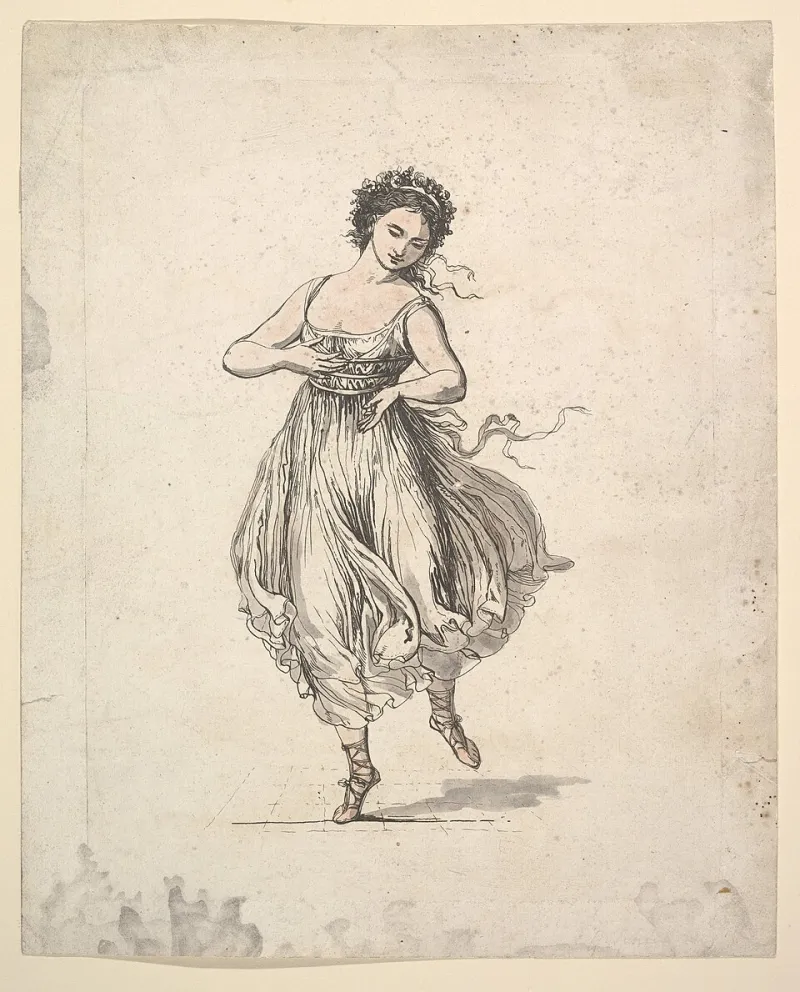
Photo: Johann Gottfried Schadow, CC0, via Wikimedia Commons
There's a moment that happens in kitchens across America every single night. The dishes are half done. A playlist is going. And someone — maybe you — starts moving. Not performing. Not practicing. Just moving, in socks, between the counter and the stove.
If that sounds familiar, you're part of something bigger than you might realize.
The Rise of the Home Studio (No Studio Required)
Ask around and you'll hear versions of the same story. A nurse in Ohio who learned bachata from YouTube tutorials during her lunch breaks. A retired teacher in Sacramento who does her stretching routine in front of the living room TV, calling it her 'twenty-minute vacation.' A college student who swears her best ideas come while freestyling in her dorm room.
Home dance practice has always existed, of course. But something shifted in the last few years. Video tutorials made instruction free and endless. And a cultural permission slip seemed to circulate: you don't need a membership, a mirror wall, or a leotard to call yourself a dancer.
Why Nobody Watching Is the Point
Here's the psychology underneath it all: when no one is watching, the stakes disappear. There's no comparison, no correction, no fear of taking up too much space. Researchers who study self-consciousness and movement have long noted that self-judgment is one of the biggest barriers to physical confidence — and private practice quietly dissolves it.
'I spent thirty years telling people I couldn't dance,' says one woman we spoke with, who asked to use only her first name, Denise. 'Then one night, my granddaughter's playlist was on and I just... tried. Nobody laughed. Nobody even saw. So the next night, I did it again.' Two years later, Denise takes a weekly salsa class at her community center. But she still does her kitchen sessions. 'That's where I learned I was allowed.'
That's the pattern worth paying attention to. The living room isn't a lesser version of the studio. For a lot of people, it's the on-ramp — the low-pressure laboratory where the body learns that movement is safe.
The Confidence Domino Effect
Talk to enough home dancers and you start hearing about effects that reach past the dance floor. People describe standing differently in meetings. Speaking up sooner. Wearing the clothes they used to save for 'someday.'
It tracks with what movement educators have observed for decades: how you move shapes how you feel, and how you feel shapes how you show up. When you spend twenty minutes a day taking up space joyfully — even alone — something recalibrates.
None of this requires talent. That's the part worth repeating. The kitchen dancer working on a two-step she saw on TikTok is doing something genuinely good for her body and brain, whether or not she ever performs it for anyone.
Making Your Space Work for You
If you're ready to claim your own square of floor, a few things help:
- Clear a small zone. You don't need a full room. A yoga mat's worth of space is enough to start.
- Pick music that pulls you. Not what you think you should dance to — what actually makes your shoulders move.
- Follow tutorials loosely. Learn a move, then let it fall apart into your own version. The falling apart is the fun part.
- Keep it short. Ten honest minutes beats an ambitious hour you'll never do.
- Skip the mirror if it helps. Some people love one; others find it reawakens self-consciousness. Know which one you are.
The Studio Will Be There Later
This isn't an argument against dance classes — far from it. Community, correction, and shared energy are irreplaceable. But for anyone who's been waiting for the right time, the right body, or the right level of skill to start: the kitchen floor is open now.
Move. Express. Transform — even if the only witness is the refrigerator.
The first step of a dancing life doesn't have to happen under studio lights. Sometimes it happens in socks, next to the sink, at 9 p.m. on a Tuesday. And sometimes that's the step that changes everything.